




Alzheimer's Disease: We've Come Too Far to Keep Thinking the Same Way

National Alzheimer's Disease Awareness Month | November 2026
For generations, memory loss and confusion were written off as a normal part of getting older. Forgetfulness was expected, and a gradual loss of independence was something families learned to accept. As far back as the early 1800s, French physician Philippe Pinel helped advance the medical classification of dementia, distinguishing acquired cognitive deterioration from other psychiatric and intellectual conditions. More than a century later, Alois Alzheimer identified distinctive pathological changes in the brain of a patient experiencing progressive cognitive decline.
We know better now. Dementia is not a single disease, and it is not an inevitable part of aging. It is a clinical syndrome with many possible causes, including Alzheimer's disease, vascular dementia, Lewy body dementia, frontotemporal dementia and mixed pathologies. Clinicians can now detect biological changes linked to Alzheimer's, such as amyloid-beta and abnormal tau, sometimes years before dementia develops [1]. And an estimated 45% of dementia cases could potentially be prevented or delayed by addressing modifiable risk factors [2].
The question is no longer just whether a patient has dementia. It is what is driving the decline, what we can measure, and what we can do about it.
THE DIAGNOSTIC REVOLUTION: FROM PET SCANS TO A BLOOD DRAW
Until recently, confirming Alzheimer's pathology meant an expensive amyloid PET image or a lumbar puncture for cerebrospinal fluid (CSF) testing. Both work, but cost, access, procedural burden and insurance coverage have limited their use. Structural MRI is still essential for identifying vascular disease, tumors and other causes, but it cannot confirm Alzheimer's on its own.
That is changing quickly. In May 2025, the FDA cleared the first blood test to aid in diagnosing Alzheimer's, the Lumipulse G pTau217/β-Amyloid 1-42 Plasma Ratio, for adults 55 and older with symptoms of cognitive decline in specialty care. In its study, 91.7% of positive results were confirmed by PET or CSF, and 97.3% of negative results were confirmed negative [3]. Three more blood tests have been cleared since:
- Elecsys pTau181 (October 2025), the first cleared for primary care, to help rule out Alzheimer's pathology [4]
- Elecsys pTau217 (August 2026), for primary and specialty care [5]
- PrecivityAD2 (August 2026), for symptomatic adults as young as 40 [6]

The Alzheimer's Association's 2025 clinical practice guideline, written for specialty care, supports using validated blood tests to triage patients with cognitive impairment, and using the most accurate tests in place of PET or CSF testing [7].
These are not screening tests. They are currently cleared for patients who already have cognitive symptoms along with a full clinical evaluation and interpretation of those results [3]. Still, for many symptomatic patients, the path to an answer can now begin with a blood draw instead of a scan or a spinal tap. Quicker, more accessible diagnosis opens the door to earlier intervention.
BEYOND A DIAGNOSIS: HOW IS THE BRAIN ACTUALLY FUNCTIONING?
Two patients with similar biomarker results can look very different clinically. One struggles mainly with memory. Another struggles with attention, processing speed, executive function or language.
Screening tools like the Mini-Mental State Examination (MMSE) and Montreal Cognitive Assessment (MoCA) have a place, but they are brief screenings, not a dynamic cognitive picture. Also, the absence of a concerning MMSE or MoCA score shouldn't be confused with the absence of cognitive decline. For example, cognitive reserve is the brain's ability to compensate using established skills and neural networks, and can lead to a high-functioning patient scoring relatively well while real decline is underway. Education, language and unfamiliarity with testing can push scores the other way without indicating Alzheimer's.
The opportunity healthcare providers have now is to move past a single screening score and toward detailed cognitive assessments, biomarkers and, where clinically appropriate, tools that look at brain function directly.
WHERE EEG AND QUANTITATIVE EEG FIT IN
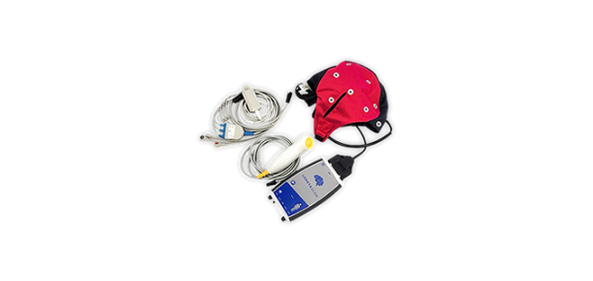
Electroencephalography (EEG) measures the brain's electrical activity noninvasively. Quantitative EEG (qEEG) applies computational analysis to that recording, examining frequency patterns, relative power and connectivity across brain regions. Research in Alzheimer's disease has associated it with a shift toward slower-frequency activity and reduced connectivity between brain regions [8].
Platforms such as Brainview combine qEEG with event-related potentials, which relate to attention and information processing. While qEEG is not a standalone diagnostic test for Alzheimer's as it cannot detect amyloid or tau, it can offer additional information about electrical brain function and performance. Alongside blood biomarkers, this can help answer whether pathology is present and enhance the patient discussion with objective cognitive testing that shows how their brain is currently performing. Together, these approaches move care beyond a single test result and toward a more complete understanding of the patient.

TREATMENT IS CHANGING
For decades, Alzheimer's treatment focused on managing symptoms. Donepezil (Aricept), rivastigmine, galantamine and memantine still play an important role, but they do not target the underlying amyloid pathology.
Lecanemab (Leqembi) and Donanemab (Kisunla) do. In clinical trials of patients with early symptomatic Alzheimer's, Lecanemab slowed clinical decline by 27% over 18 months [9], and Donanemab by about 35% over 17.5 months (76 weeks) in its primary study population [10]. These are not cures. They require confirmed amyloid pathology, careful patient selection and MRI monitoring, and both carry a boxed warning for amyloid-related imaging abnormalities (ARIA), which include brain swelling and bleeding [11].

Still, the clinical conversation now includes the possibility of modifying the disease itself, not just managing symptoms.
METABOLIC HEALTH AND THE BRAIN
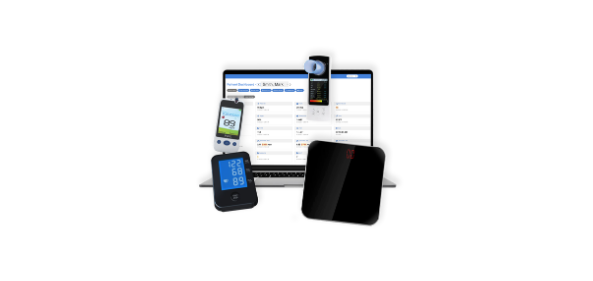
Research increasingly links insulin resistance, impaired glucose regulation and inflammation to cognitive decline, which is why some researchers have described Alzheimer's as "type 3 diabetes" [12]. It is an unofficial term, and Alzheimer's is far more complex than insulin resistance alone; two large trials of oral semaglutide, for example, did not slow Alzheimer's progression [13]. But the broader point holds: the brain depends on the metabolic and vascular health of the whole body.
Observational studies associate Mediterranean and MIND-style diets with better cognitive health, although a 2023 randomized trial of the MIND diet did not show a significant benefit over a control diet [14]. Physical activity and management of blood pressure, blood glucose and other vascular risk factors remain among the best-supported ways to reduce dementia risk [2]. Protecting cognitive health means looking at the whole patient, not treating cognitive decline as a purely neurological problem.

LOOKING BEYOND MEDICATION
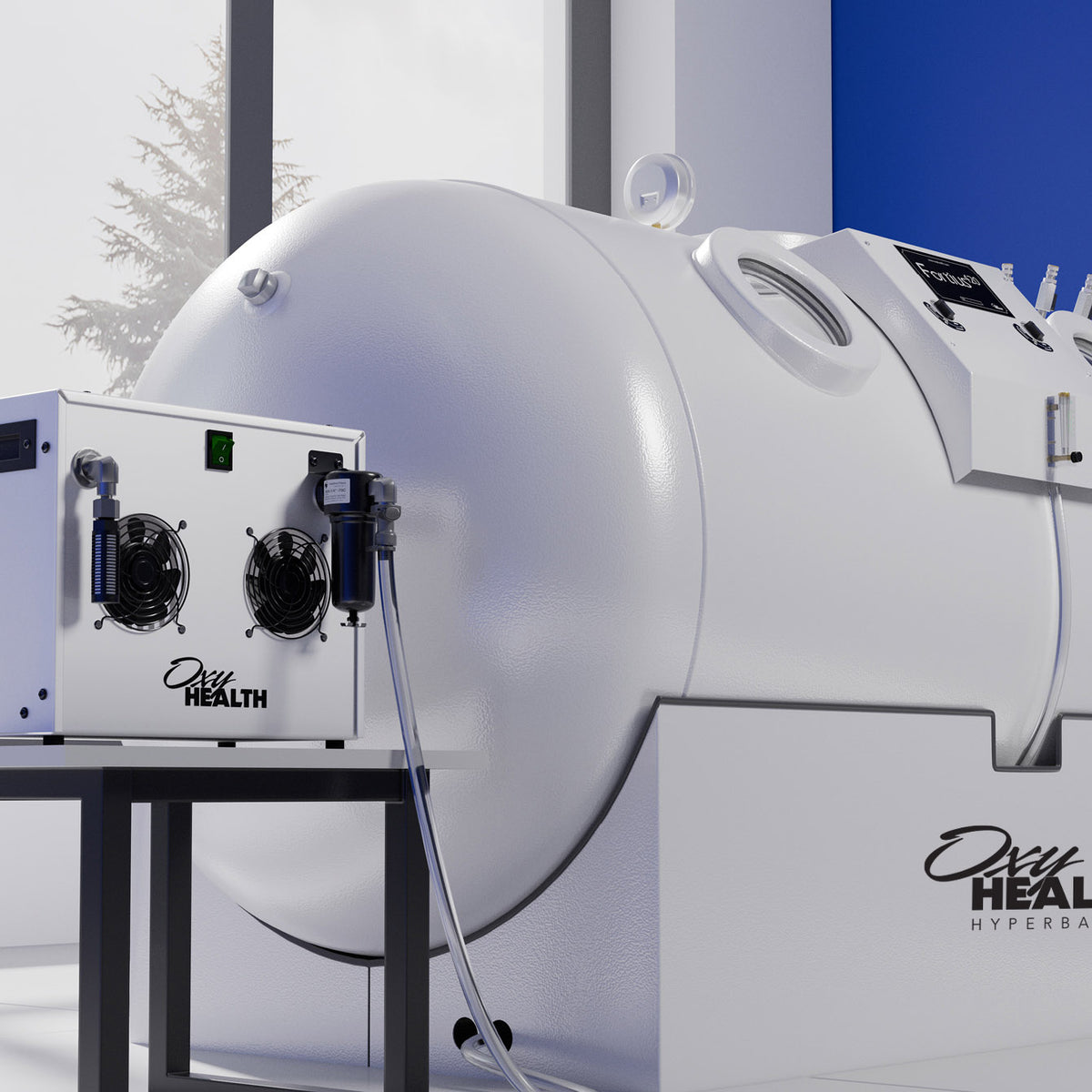
Interest is growing in approaches beyond medication: exercise, sleep optimization and treatment of sleep apnea, hyperbaric oxygen therapy, photobiomodulation (red and near-infrared light), neurofeedback, and metabolic and IV-based therapies. The strength of the evidence varies widely, though the areas of exercise and sleep have the most research behind them [15]. Look for Part 2, Beyond Medication: Exploring New Pathways to Cognitive Health, where we take a closer look at what the research says about each.
A BROADER CLINICAL PERSPECTIVE
The days of treating cognitive decline as an inevitable part of aging should be behind us. And the familiar path of a concerning MMSE or MoCA score, a referral and a prescription for donepezil should no longer be the whole conversation. Those tools and treatments still matter, but the options have expanded significantly.
For healthcare providers, the most important question is no longer simply:
"Does this patient have dementia?"
It is "What is driving this patient's cognitive decline, what can we measure, and which interventions offer the best evidence-based opportunity to preserve function and quality of life?"
During National Alzheimer's Disease Awareness Month, that is a conversation worth having. We have more answers, more diagnostic tools and more opportunities to intervene than ever before. Our approach to cognitive decline should reflect that progress.
Learn more about Brainview Schedule a call
Morningside Medical Equipment is committed to advancing informed, evidence-based discussions about diagnostic and treatment technology and the role they play in modern clinical care.
This article is intended for healthcare professionals for educational purposes only and is not medical advice. Clinical decisions should be based on individual patient evaluation.
SOURCES
- Jack CR Jr, et al. Revised criteria for diagnosis and staging of Alzheimer's disease: Alzheimer's Association Workgroup. Alzheimer's & Dementia. 2024;20(8):5143-5169. https://doi.org/10.1002/alz.13859
- Livingston G, et al. Dementia prevention, intervention, and care: 2024 report of the Lancet standing Commission. The Lancet. 2024. https://www.thelancet.com/commissions/dementia-prevention-intervention-care
- U.S. Food and Drug Administration. FDA Clears First Blood Test Used in Diagnosing Alzheimer's Disease. May 16, 2025. https://www.fda.gov/news-events/press-announcements/fda-clears-first-blood-test-used-diagnosing-alzheimers-disease
- Practical Neurology. Blood-Based P-Tau181 Testing for Alzheimer's Pathology Now Cleared by the FDA for the Primary Care Setting. 2025. https://practicalneurology.com/news/blood-based-p-tau181-testing-for-alzheimers-pathology-now-cleared-by-the-fda-for-the-primary-care-setting/2484309/
- Alzheimer's Association. Statement on FDA Clearance of Elecsys pTau217 Blood Test. August 2026. https://www.alz.org/news/2026/fda-clearance-elecsys-ptau217-blood-test-alzheimers
- Alzheimer's Association. Statement on FDA Clearance of PrecivityAD2 Blood Test. 2026. https://www.alz.org/news/2026/fda-clearance-precivityad2-blood-test-alzheimers
- Palmqvist S, et al. Alzheimer's Association Clinical Practice Guideline on the use of blood-based biomarkers in the diagnostic workup of suspected Alzheimer's disease. Alzheimer's & Dementia. July 2025. https://pubmed.ncbi.nlm.nih.gov/40729527/
- Jeong J. EEG dynamics in patients with Alzheimer's disease. Clinical Neurophysiology. 2004. https://pubmed.ncbi.nlm.nih.gov/15203050/
- van Dyck CH, et al. Lecanemab in Early Alzheimer's Disease. New England Journal of Medicine. 2023;388(1):9-21. https://pubmed.ncbi.nlm.nih.gov/36449413/
- Sims JR, et al. Donanemab in Early Symptomatic Alzheimer Disease: The TRAILBLAZER-ALZ 2 Randomized Clinical Trial. JAMA. 2023;330(6):512-527. https://doi.org/10.1001/jama.2023.13239
- Practical Neurology. Donanemab/Kisunla Approved to Treat Early Alzheimer Disease. 2024. https://practicalneurology.com/news/donanemabkisunla-approved-to-treat-early-alzheimer-disease/2470522/
- de la Monte SM, Wands JR. Alzheimer's disease is type 3 diabetes-evidence reviewed. Journal of Diabetes Science and Technology. 2008;2(6):1101-1113. https://pmc.ncbi.nlm.nih.gov/articles/PMC2769828/
- BioSpace. Novo's GLP-1 Fails to Slow Alzheimer's. November 2025. https://www.biospace.com/drug-development/novos-glp-1-fails-to-slow-alzheimers-sending-shares-down-10
- Barnes LL, et al. Trial of the MIND Diet for Prevention of Cognitive Decline in Older Persons. New England Journal of Medicine. 2023. https://pubmed.ncbi.nlm.nih.gov/37466280/
- Harvard Health Publishing. Hyperbaric oxygen therapy: Evidence-based uses and unproven claims. https://www.health.harvard.edu/staying-healthy/hyperbaric-oxygen-therapy-evidence-based-uses-and-unproven-claims
RECENT POSTS

Alzheimer's Disease: We've Come Too Far to Keep Thinking the Same Way
National Alzheimer's Disease Awareness Month | November 2026 For generations, memory loss and confusion were written off as a normal part of getting older. Forgetfulness was expected, and a gradual loss of independence was something families learned to accept. As far back as the early 1800s, Fre...
READ MORE
Beyond the Pink Ribbon: Why Early Detection Matters
Better Information. Earlier Detection. Better Outcomes. October is Breast Cancer Awareness Month, a time to recognize survivors, remember those we have lost, and reinforce the importance of education, screening, and early detection. For our team, this subject is personal. Many of us have watched ...
READ MORE
The Business Of Medicine.
"Business" can be defined simply as what someone does to earn a living. However, in the field of medicine and healthcare, we like to think of 'The Business of Medicine' as a series of interconnected concepts that shape the success of a physician or practice, ultimately leading towards their longe...
READ MORE
2 or 20?
2 Years of Morningside Medical Equipment. 2 Key Concepts. Enable physicians to diagnose their patients quicker using the most cutting-edge diagnostic technology, while also improving the business of medicine for them. While most of our team has had decades of experience in the field of medical e...
READ MORE