



Two systems
Top Rated ABI Systems
One system screens for PAD in about two minutes. The other completes the workup in your own exam room, in four configurations you pick by the studies you intend to perform.
Which system do I need?
You need

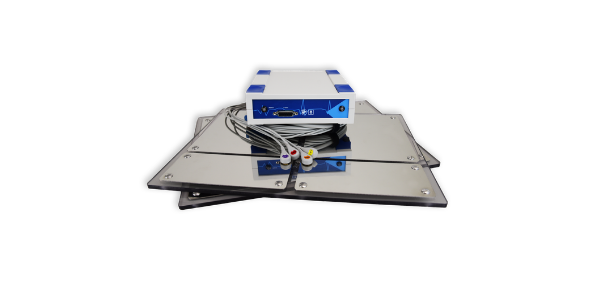
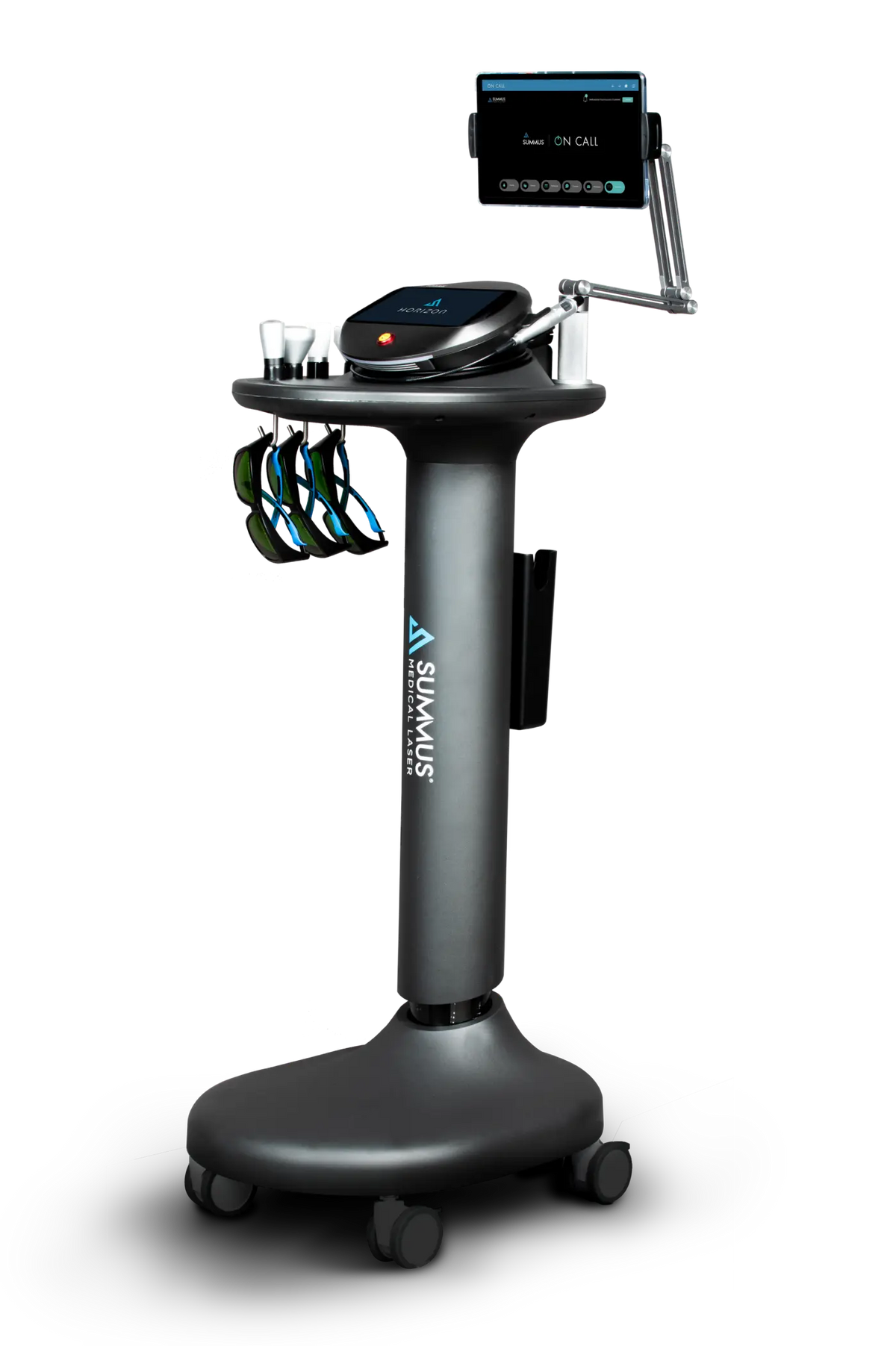
ABI-Q System
Rapid, Doppler-free PAD screening
- Result in 1 to 2 minutes, minimal training
- Reads pulse volume, so calcified vessels do not hide disease
- Performs the ABI-Q and the ABI-Q with exercise exams

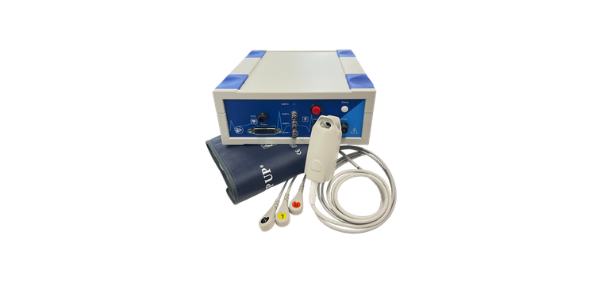
ABI Automated Cuff-Link System
Four configurations, one platform
- Resting ABI with Doppler waveforms, about 8 minutes with the report
- Toe pressures when ankle vessels will not compress
- Optional segmental mapping and treadmill stress protocols
Exam library
Which Exams Can I Run?
Each study answers a different clinical question and needs a particular configuration. Choose a configuration to see only the exams it performs.
ABI-Q Exam
Is this patient at risk of PAD? A 1 to 2 minute exam to rule PAD in or out.
Who it is for
- Routine screening of a high-risk panel
- Diabetic and elderly patients, where calcification is likely
- Practices that need a result inside a normal visit
- Deciding who needs a full diagnostic study or a referral
Runs on ABI-Q System and every Cuff-Link configuration
ABI Exam
Does this patient have PAD?
When to order
- Leg pain, cramping, or claudication on exertion
- Diabetic patients at elevated PAD risk, annual screening
- Adults over 65 with cardiovascular risk factors
- Non-healing lower extremity wounds
- Pre-operative vascular assessment
- Abnormal pulses on physical exam
Runs on every Cuff-Link configuration
ABI With Toe Exam (TBI)
The ankle reading is not diagnostic. Is there still disease?
When to order
- Ankle ABI is non-diagnostic, above 1.40 or above 200 mmHg
- Diabetic patients, annual vascular screening
- Suspected small vessel or distal arterial disease
- Pre-amputation assessment or wound care planning
- Patients with chronic kidney disease
- Any patient where calcification is likely
Runs on every Cuff-Link configuration
ABI-Q PVR With Exercise Exam
The resting ABI Is normal. What is it missing?
When to order
- Diabetic patients with compressed or calcified arteries, where Doppler-based
- pressures can mislead
- Exertional leg pain with a normal or borderline resting ABI-Q
- Elderly patients where vessel calcification is likely
- Differentiating vascular from neurogenic claudication
- Active patients with preserved resting perfusion
- Confirming a borderline resting result before ordering a full diagnostic study
Runs on ABI-Q System and every Cuff-Link configuration. No treadmill required.
ABI Stress, Treadmill Exam
How far can this patient walk, and how fast do they recover?
When to order
- Normal resting ABI with exertional symptoms
- Objective documentation of claudication severity
- Functional assessment before and after revascularization
- Supervised exercise therapy enrollment or monitoring
- Disability or pre-surgical functional assessment
- Differentiating vascular from orthopedic or neurogenic causes
Runs on single level plus stress testing and multi level plus stress testing. Treadmill sold separately.
3-Cuff Segmental Exam
Which segment of the leg is the disease in?
When to order
- ABI confirms PAD and you need to localize the segment
- Pre-intervention planning for endovascular or surgical referral
- Claudication with ABI in the 0.40 to 0.90 range
- Monitoring disease progression over time
- Differentiating aortoiliac from femoral-popliteal disease
- Post-intervention follow-up to confirm improvement
3-Cuff With Toe Exam
Where is the disease, and is there enough distal flow to heal?
When to order
- ABI confirms PAD and the ankle vessels are calcified or non-compressible
- Localization needed at thigh, calf, and ankle plus distal perfusion
- Diabetic patients where ankle pressures cannot be trusted
- Wound care planning that needs both level of disease and healing potential
- Claudication with ABI in the 0.40 to 0.90 range and suspect small vessel disease
- Post-intervention follow-up where toe pressures are the reliable measure
4-Cuff Segmental Exam
Is this aortoiliac or femoral-popliteal disease?
When to order
- Complete PAD workup when localization is needed
- Differentiating aortoiliac from superficial femoral artery disease
- Pre-intervention or pre-surgical vascular assessment
- Claudication with moderate to severe ABI impairment
- Suspected multi-level occlusive disease
4-Cuff With Toe Exam
What does the whole arterial tree look like, aortoiliac to digital?
When to order
- Diabetic patients with suspected multi-level disease
- Calcified ankle vessels plus a need for segmental localization
- Pre-amputation level determination in complex cases
- Wound care patients requiring a full arterial workup
- Critical limb ischemia assessment
- Post-revascularization surveillance in high-risk patients
Have questions?
Our team can help! We have additional information on applicable CPT codes, product demonstrations, and any other questions you have.
SCHEDULE A CALL