


Music and Sound Therapy: An Easy Supplement to Dementia Treatment

As researchers further explore non-pharmaceutical interventions for Dementia, Music Therapy has been found to improve some cognitive function and overall well-being with both patients and caregivers.
In an article posted through NIH Library of Medicine, a dynamic meta-analysis was done on 8 independent research studies, all showing a statistically significant improvement in cognitive function and social response after Music or Sound Therapy.
Another study reviewed through Medical News Today uncovered a direct connection to music therapy and an increase in communication and social interactions of patients living with Dementia. With the undeniable stress and responsibility caregivers have, knowing the role music and sound therapy can have on the patient and caregiver alike can significantly impact overall stress, mood, social interactions, and quality of life on most days. Who knows, maybe it could spark a dance party or two!
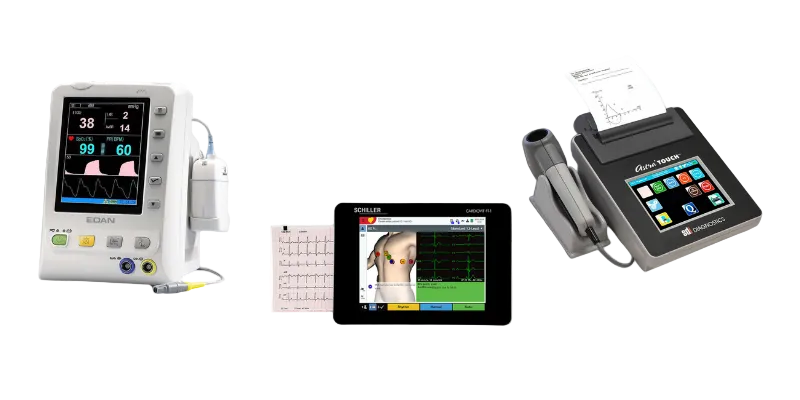
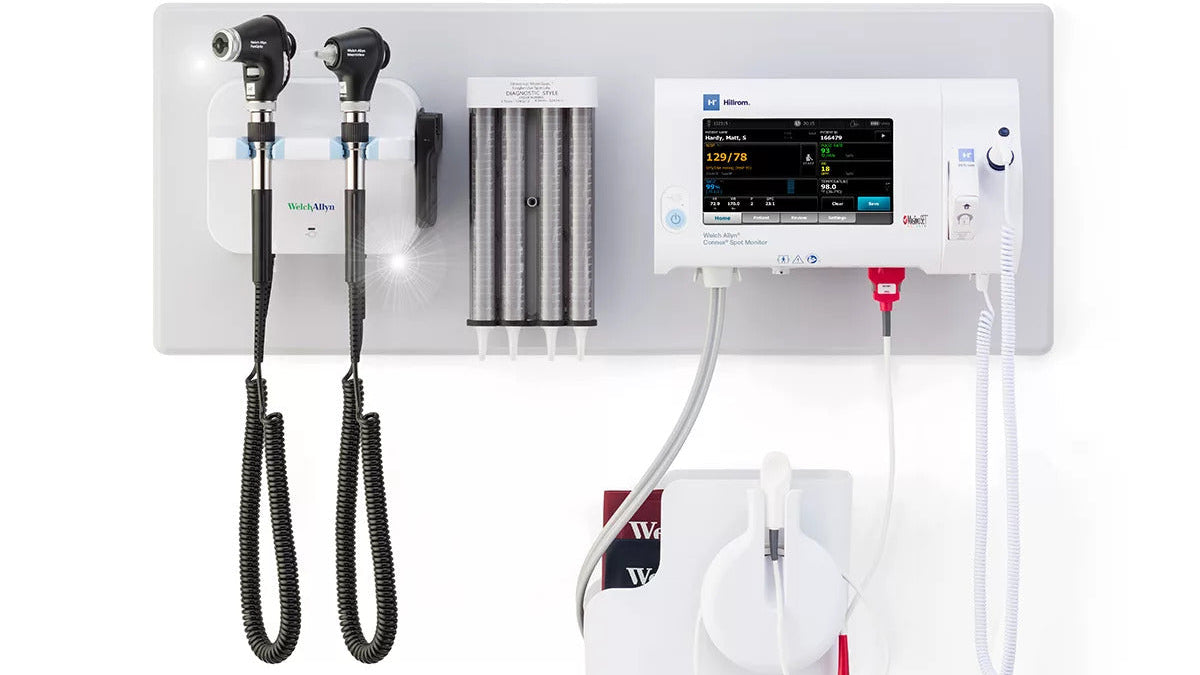
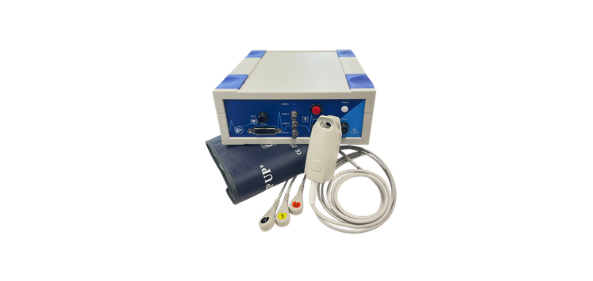
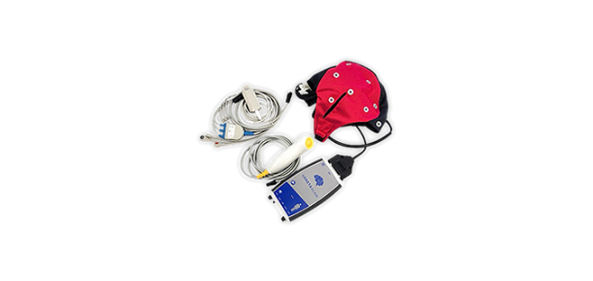
Physicians, how are you diagnosing your patients with Dementia, Alzheimer's, and cognitive decline? To what level of complexity are the tools you are applying towards earlier detection and annual screening? Digital Cognitive Assessments streamline a more specific, science-based screening than most of the 'game-based' applications marketed to physicians, and are using institutionalized tests that can be emailed directly to patients (in some cases, quarterly). With The Loretascan, any physician can use the clinical power of QEEG with fully interpreted data and reports to provide a more mid-level cognitive diagnostic assessment.
https://www.morningsidemedicalequipment.com/digitalcognitvescreening
https://www.loretascan.com/ ____________________ Referenced Articles
RECENT POSTS

Beyond the Pink Ribbon: Why Early Detection Matters
Better Information. Earlier Detection. Better Outcomes. October is Breast Cancer Awareness Month, a time to recognize survivors, remember those we have lost, and reinforce the importance of education, screening, and early detection. For our team, this subject is personal. Many of us have watched ...
READ MORE
The Business Of Medicine.
"Business" can be defined simply as what someone does to earn a living. However, in the field of medicine and healthcare, we like to think of 'The Business of Medicine' as a series of interconnected concepts that shape the success of a physician or practice, ultimately leading towards their longe...
READ MORE
2 or 20?
2 Years of Morningside Medical Equipment. 2 Key Concepts. Enable physicians to diagnose their patients quicker using the most cutting-edge diagnostic technology, while also improving the business of medicine for them. While most of our team has had decades of experience in the field of medical e...
READ MORE
Music and Sound Therapy: An Easy Supplement to Dementia Treatment
As researchers further explore non-pharmaceutical interventions for Dementia, Music Therapy has been found to improve some cognitive function and overall well-being with both patients and caregivers. In an article posted through NIH Library of Medicine, a dynamic meta-analysis was done on 8 indep...
READ MORE