


What methods are being employed to improve care for rural populations?

Patients that live in rural areas have an undeniable disadvantage in accessing quality healthcare services which leads to disparities in health outcomes. Many rural areas have a shortage of doctors, specialists, and hospitals, making it difficult for patients to receive timely and/or specialized care. This can result in delayed diagnoses, inadequate treatment, and ultimately poorer health outcomes.
Lack of public transportation also plays a major role, making it challenging to travel long distances to reach healthcare facilities. This can lead to missed appointments, delayed care, and reduced access to preventive services.
It's only been in the last 5 years that the technology exists for Remote Patient Monitoring (RPM) to be a common solution for the challenges that rural communities face. With RPM those chronically ill patients that are only seen every few months, are now able to have their physicians observe their key vitals daily. This then enables physicians to catch and react timely with appropriate care before it turns into an emergency, readmission, or other unfavorable outcomes.
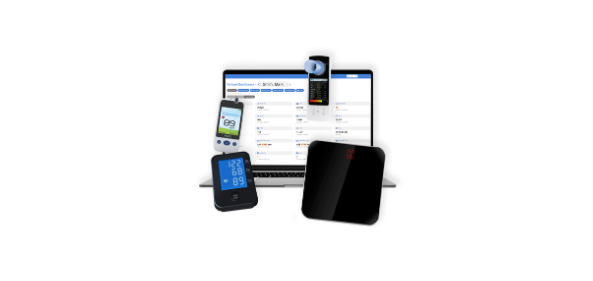
Even though this is significant for rural areas, RPM is improving patient outcomes nationwide. With RPM, patients can use wearable devices or home monitoring kits to collect and transmit their health data, such as blood pressure, heart rate, glucose levels, and oxygen saturation. This information is then securely transmitted to healthcare providers, who can review and analyze the data in real-time. If any abnormalities or concerning trends are detected, healthcare professionals can intervene promptly, whether through a quick phone call, medication adjustments, or other interventions.
As an added benefit, remote monitoring typically motivates better patient engagement and self-management. By actively involving patients in their own healthcare and knowing that their physician sees their measurements everyday, RPM empowers them to take charge of their health and make informed decisions. It also holds them accountable when they have an opportunity to make a decision that can be a positive or negative effect on their current medical condition.
While remote monitoring is becoming one of the most impactful medical solutions in any community, it has been even more significant for rural areas. By bridging the gap in healthcare access and enabling proactive and personalized care, RPM can contribute to better health outcomes and a more equitable healthcare system for all.
Click here for information on remote patient monitoring programs
Had a bad experience with Remote Monitoring? Let us know what happened, and we can chat about the mistakes most companies and offices make, and how to avoid them.
RECENT POSTS

The Business Of Medicine.
"Business" can be defined simply as what someone does to earn a living. However, in the field of medicine and healthcare, we like to think of 'The Business of Medicine' as a series of interconnected concepts that shape the success of a physician or practice, ultimately leading towards their longe...
LEARN MORE
2 or 20?
2 Years of Morningside Medical Equipment. 2 Key Concepts. Enable physicians to diagnose their patients quicker using the most cutting-edge diagnostic technology, while also improving the business of medicine for them. While most of our team has had decades of experience in the field of medical e...
LEARN MORE
Music and Sound Therapy: An Easy Supplement to Dementia Treatment
As researchers further explore non-pharmaceutical interventions for Dementia, Music Therapy has been found to improve some cognitive function and overall well-being with both patients and caregivers. In an article posted through NIH Library of Medicine, a dynamic meta-analysis was done on 8 indep...
LEARN MORE
For Peripheral Neuropathy, Sudomotor Testing is quickly becoming the diagnostic standard for Primary Care.
Sudomotor Testing Matters More Than Ever. With recent statistics showing 49% of all patients coming into a physician's office are either Diabetic or Prediabetic, the need for quick and accurate diagnostics has never been more important. Even more concerning, about 50% of individuals with Diabetes...
LEARN MORE